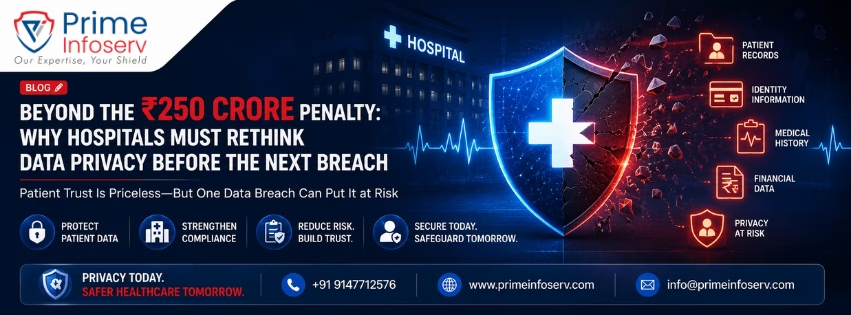
Patient Trust Is Priceless—But One Data Breach Can Put It at Risk
The healthcare industry is undergoing a digital transformation at an unprecedented pace. Electronic Health Records (EHRs), telemedicine platforms, patient portals, health apps, and cloud-based healthcare systems have made patient care more efficient than ever.
However, this digital evolution comes with a new challenge: protecting sensitive patient data.
With India’s Digital Personal Data Protection (DPDP) Act now shaping the country’s privacy landscape, healthcare organizations are facing increased scrutiny regarding how they collect, process, store, and protect personal information.
While many hospital leaders focus on the headline-grabbing ₹250 crore penalty, the real concern extends far beyond regulatory fines. The true cost of non-compliance can include loss of patient trust, operational disruption, reputational damage, and long-term financial consequences.
Why Healthcare Data Has Become a Prime Target
Healthcare records are among the most valuable forms of personal data available today.
Unlike credit card information, which can be replaced, healthcare data often contains permanent information such as:
- Medical history
- Diagnostic reports
- Insurance details
- Personal identification data
- Financial records
- Prescription information
Cybercriminals recognize the value of this data, making hospitals and healthcare providers attractive targets for attacks.
As healthcare organizations become increasingly digital, the attack surface continues to grow.
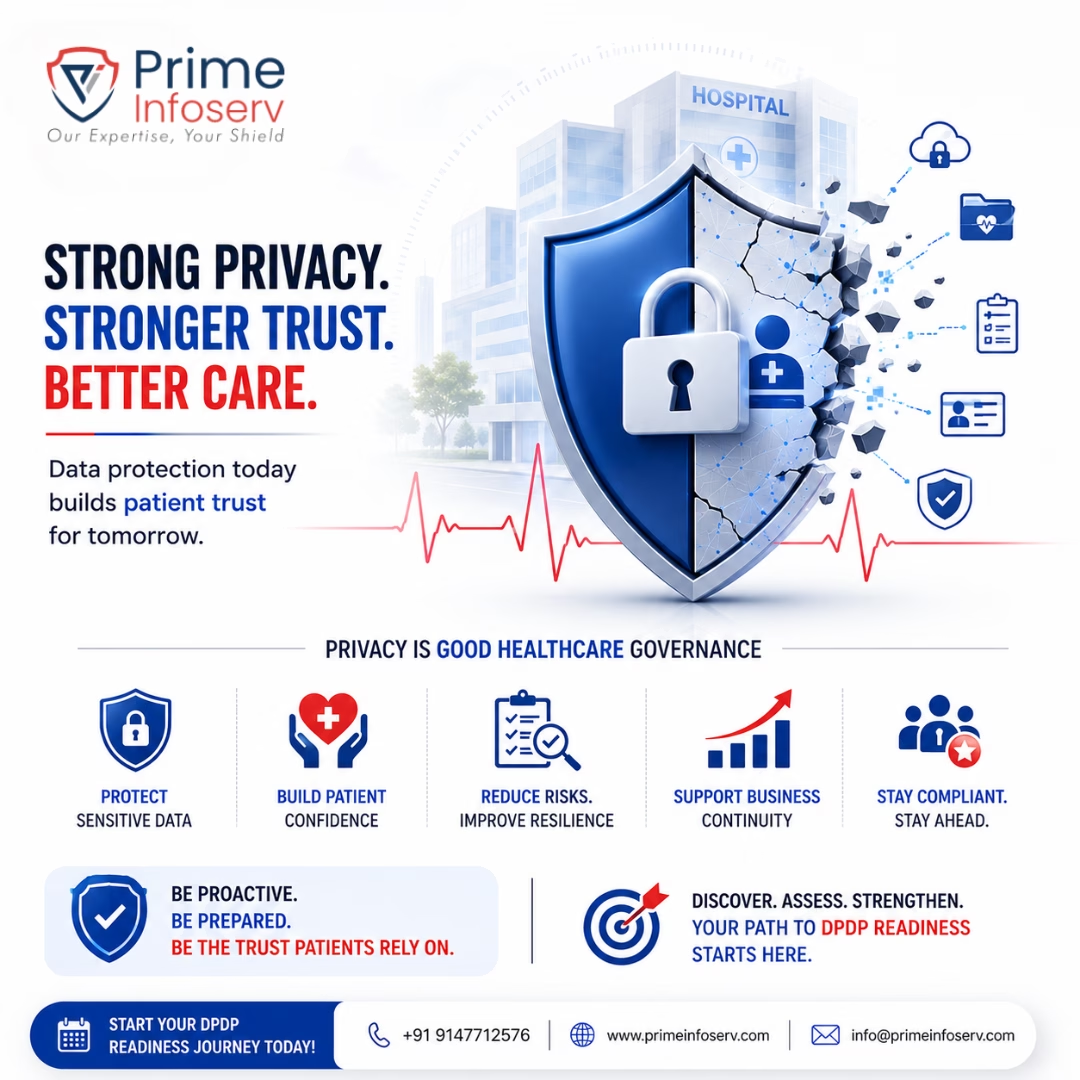
The ₹250 Crore Figure Is Only Part of the Story
When discussing DPDP compliance, many organizations focus solely on regulatory penalties.
However, the actual business impact of a serious data breach can be significantly greater.
Financial Losses Beyond Fines
A breach can lead to:
- Incident investigation costs
- Legal expenses
- Technology remediation investments
- Regulatory audits
- Business interruption
Reputation Damage
Patients expect healthcare providers to protect their personal information. A breach can weaken trust that may take years to rebuild.
Operational Disruptions
Cyber incidents often force organizations to divert resources away from patient care and operational priorities.
Loss of Competitive Advantage
Healthcare organizations with poor privacy practices may struggle to maintain patient confidence and business partnerships.
Why Hospital CFOs Must View Privacy as a Business Risk
Traditionally, cybersecurity and privacy have been viewed as responsibilities of IT teams.
That mindset is rapidly changing.
Today, CFOs play a crucial role in:
- Enterprise risk management
- Compliance governance
- Budget allocation
- Vendor oversight
- Business continuity planning
- Strategic decision-making
Data privacy is no longer merely a technology issue—it has become a financial and operational concern that directly impacts organizational performance.
The Hidden Compliance Gaps Many Hospitals Overlook
Third-Party Vendor Dependencies
Modern healthcare relies heavily on external service providers, including:
- Cloud platforms
- Diagnostic systems
- Insurance integrations
- Telemedicine providers
- Medical software vendors
Any weakness in these third-party relationships can expose hospitals to privacy and security risks.
Inadequate Data Visibility
Many healthcare organizations struggle to answer important questions:
- What personal data do we collect?
- Where is the data stored?
- Who can access it?
- How long is it retained?
Without proper visibility, compliance becomes significantly more difficult.
Legacy Technology Challenges
Many hospitals continue to operate aging systems that were not designed to meet modern privacy and security requirements.
These systems often become attractive targets for cybercriminals.
Lack of Employee Awareness
Human error remains one of the leading causes of data exposure incidents.
Without proper awareness programs, employees can unintentionally create security risks through phishing attacks, weak passwords, or improper data handling.
From Compliance Obligation to Strategic Advantage
Organizations often view privacy compliance as an unavoidable cost.
However, leading healthcare institutions are beginning to see it differently.
Strong privacy practices can help organizations:
Build Patient Confidence
Patients are increasingly concerned about how their personal information is handled.
Improve Operational Efficiency
Effective data governance often leads to better visibility and process optimization.
Strengthen Cyber Resilience
Security-focused organizations are generally better prepared to defend against evolving threats.
Enhance Brand Reputation
Organizations that prioritize privacy are more likely to earn trust from patients, partners, and regulators.
Key Steps Healthcare Organizations Should Take Today
Conduct Data Privacy Assessments
Identify what personal data exists, where it resides, and how it is being used.
Evaluate Security Controls
Assess current cybersecurity measures to determine whether they adequately protect sensitive information.
Strengthen Vendor Risk Management
Review third-party relationships and ensure vendors maintain appropriate security standards.
Implement Security Awareness Programs
Educate employees on privacy obligations and cybersecurity best practices.
Establish Incident Response Procedures
Prepare clear processes for managing and reporting potential security incidents.
How Prime Infoserv Helps Healthcare Organizations Strengthen DPDP Readiness
Navigating DPDP compliance requires more than policies and documentation. Healthcare organizations need a comprehensive approach that combines governance, cybersecurity, risk management, and continuous monitoring.
Prime Infoserv supports healthcare providers through specialized services including:
- Governance, Risk & Compliance (GRC) Consulting
- DPDP Compliance Readiness Assessments
- Vulnerability Assessment & Penetration Testing (VAPT)
- Information Security Audits
- Risk Assessments
- Security Awareness Training
- Incident Response Planning
- Compliance Framework Implementation
By helping organizations identify risks, improve governance practices, and strengthen security controls, Prime Infoserv enables healthcare providers to build trust while reducing compliance and cybersecurity risks.
The Future of Healthcare Depends on Responsible Data Protection
As digital healthcare ecosystems continue to expand, privacy and cybersecurity will become increasingly important business priorities.
The organizations that succeed will not be those that simply react to regulations—they will be those that proactively invest in governance, risk management, and patient trust.
The real lesson behind the ₹250 crore penalty discussion is not about the fine itself.
It’s about understanding that in today’s healthcare environment, data protection is directly connected to patient confidence, organizational resilience, and long-term growth.
Recommended Reading
To learn more about healthcare privacy and compliance, explore:
Protect Patient Trust Before Compliance Risks Become Business Risks
Healthcare organizations cannot afford to treat data privacy as an afterthought. A proactive approach to governance, cybersecurity, and compliance can help prevent costly incidents while strengthening patient confidence.
Partner with Prime Infoserv to build a stronger privacy and cybersecurity foundation.
📞 Call Us: +91 9147712576
📧 Email: info@primeinfoserv.com
🌐 Visit: https://primeinfoserv.com/
Because safeguarding patient data isn’t just about compliance—it’s about protecting the trust your organization is built on.