

The clock is ticking for every organization handling digital information in India. With the DPDP Act (Digital Personal Data Protection Act) now operational and the 2026 Rules providing the final technical blueprint, the transition from “data collection” to “data responsibility” is no longer optional. For businesses, achieving DPDP compliance is not just a legal hurdle—it is a critical step in building trust with your customers and securing your brand’s future in an increasingly regulated digital economy.
Understanding the DPDP Act Framework
The DPDP Act is India’s first comprehensive framework designed to protect personal data and ensure that data protection is woven into the fabric of every digital transaction. Whether you are a small startup or a large enterprise, if you process personal data protection is now your primary mandate.
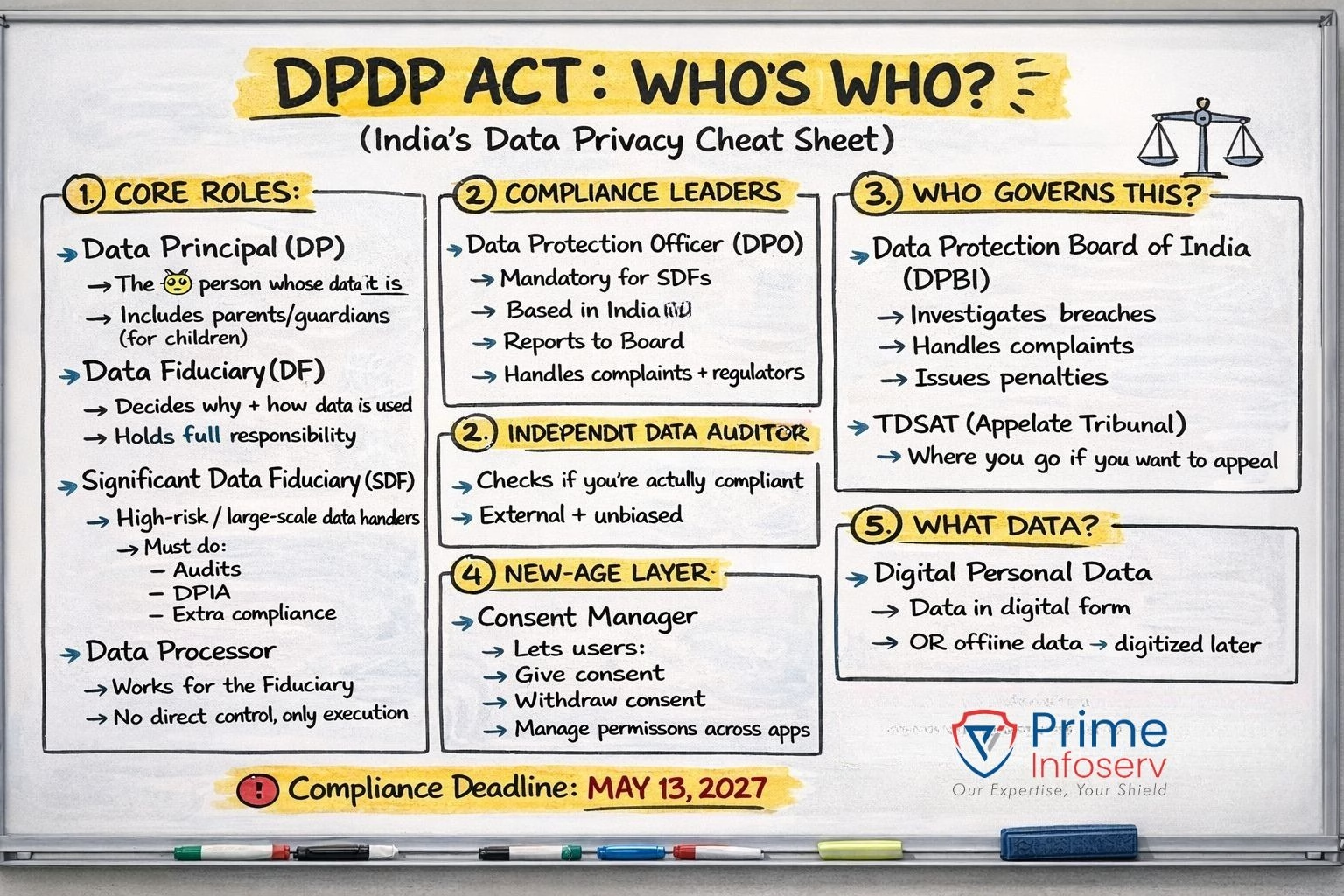
Under the new rules, the government has established a phased implementation roadmap. While the ultimate deadline for full alignment is May 13, 2027, key milestones—such as data mapping and incident response readiness—are expected much sooner.
Key Roles & Definitions DPDP Act
Understanding the “Who’s Who” of the DPDP Act is the first step toward DPDP readiness. The law defines specific roles that dictate your level of liability:
- Data Principal: The individual (customer or employee) whose data is being collected.
- Data Fiduciary: The entity (your company) that decides the purpose and means of data processing.
- Significant Data Fiduciary (SDF): Organizations designated by the government based on the volume or sensitivity of data they handle. SDFs face stricter dpdp compliance requirements, such as appointing an India-based Data Protection Officer (DPO) and conducting mandatory annual audits.
- Consent Manager: An interoperable platform that allows users to give, manage, and withdraw consent across multiple companies. Choosing which vendors offer dpdp-ready consent governance in india will be a key decision for IT leaders this year.
Your 7-Step DPDP Compliance Checklist
To ensure your organization is on the right side of the law, you need a robust dpdp compliance framework. We recommend following this dpdp compliance checklist to structure your dpdp implementation:
- Data Inventory & Mapping: You cannot protect what you don’t know you have. Identify every point where personal data enters your system, where it is stored, and who has access to it.
- Modernize Consent Governance: Move away from “check-the-box” forms. The Act mandates “free, specific, informed, and unconditional” consent. Your notices must be available in English and any of the 22 scheduled Indian languages.
- Establish Data Principal Rights: Build workflows to handle requests for data access, correction, and erasure. Under the DPDP Act, companies generally have a 90-day window to fulfill these requests.
- Strengthen Security Safeguards: Deploy “reasonable security safeguards” including encryption, multi-factor authentication, and pseudonymization. The Data Protection Board of India (DPBI) will look for documented proof of these technical controls during an audit.
- Formalize Breach Notification: In the event of a breach, you must notify the DPBI and the affected individuals “without unreasonable delay.”
- Manage Vendor Risk: Your dpdp vendor compliance is only as strong as your weakest link. Review all third-party contracts to ensure your processors are adhering to the same high standards.
- Data Retention & Deletion: Implement policies to automatically erase personal data once its specific purpose has been served, reducing your overall risk surface.
Read What Businesses Need to Do Before 2027 to become DPDP Compliant
The Cost of Inaction: Penalties & Risks for Not Being DPDP Compliant
The financial stakes of DPDP compliance are unprecedented in the Indian market. The DPDP Act allows for penalties of up to ₹250 crore for a single instance of failing to prevent a data breach. Other violations, such as failing to provide proper notice or neglecting children’s data protections, can attract fines up to ₹50 crore to ₹200 crore.
Beyond the fines, the reputational damage of being labeled “non-compliant” by the DPBI can be terminal for business-to-business (B2B) trust and consumer confidence.
Secure Your Future with Expert DPDP Implementation Support
Navigating the nuances of DPDP compliance services in India requires a blend of deep legal understanding and technical cybersecurity expertise. Whether you are looking for a DPDP compliance service in kolkata or nationwide DPDP implementation support, the right partner makes all the difference.
At Prime Infoserv, we specialize in turning complex regulations into actionable security strategies. As a dedicated dpdp vendor, we provide the dpdp implementation solutions you need to bridge the gap between current practices and full regulatory alignment. We don’t just help you “check a box”—we help you build a resilient, privacy-first culture.
Is your business DPDP-ready? The transition period is shorter than it looks. Connect with us today and ensure your organization is protected, compliant, and ready for the future of digital India. Call : +91 9147712576 or Mail: info@primeinfoserv.com