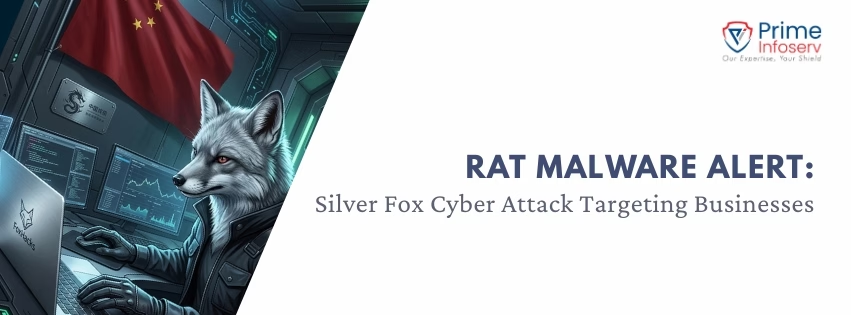
Cyber threats are evolving rapidly, and one of the latest concerns for businesses is the rise of RAT Malware used in the Silver Fox cyber attack campaign. This attack may look simple on the surface, but it is highly effective and dangerous, especially for organizations that rely on daily software downloads and online tools.
What is happening in this attack?
The Silver Fox group is running a large-scale cyber campaign where they create fake websites that look like trusted software platforms such as Zoom, Telegram, and VPN tools.
When users download software from these sites, they unknowingly install RAT Malware on their systems.
This RAT Malware silently gives attackers access to the system, allowing them to operate in the background without being noticed.
What is RAT Malware?
RAT Malware (Remote Access Trojan) is a type of malicious software that allows hackers to remotely control a system.
Once installed, RAT Malware can:
- Access sensitive files
- Steal login credentials
- Monitor user activity
- Install additional malicious tools
In simple terms, RAT Malware gives attackers full control over a device without the user knowing.
Who is the Silver Fox group?
The Silver Fox group is a China-linked cybercrime group that has been actively targeting businesses across Asia, including India, Japan, and Southeast Asia.
They are also known by different names such as:
- SwimSnake
- Void Arachne
- UTG-Q-1000
This group has been involved in multiple cyber campaigns and is considered one of the more active threat actors in recent years.
What is their agenda?
The main goal of the Silver Fox group is:
Gain access → Steal data → Make money
Using RAT Malware, they:
- Steal business and financial data
- Monitor internal systems
- Maintain long-term access
- Enable further attacks like ransomware
This makes RAT Malware attacks not just a technical issue, but a serious business risk.
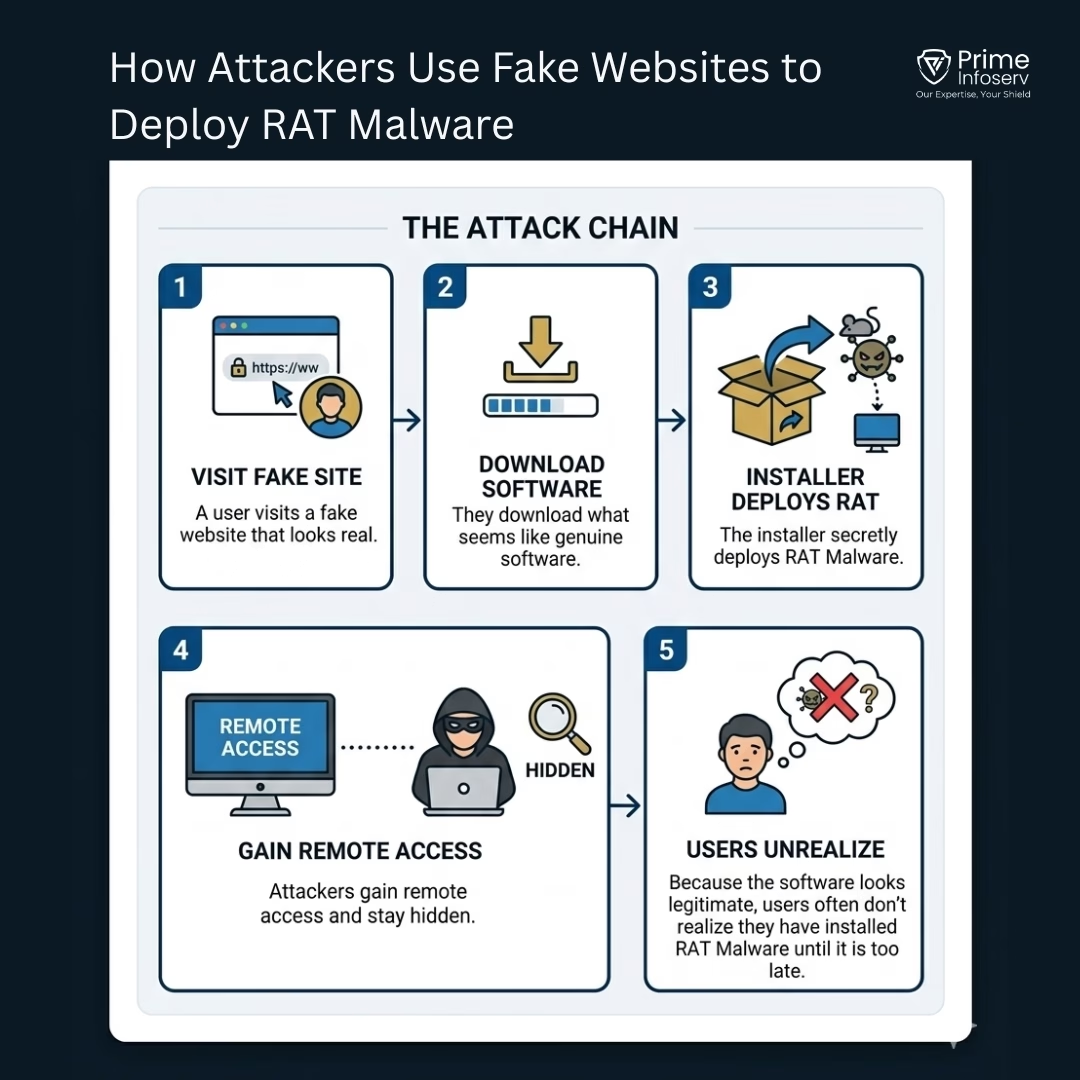
How does the attack work?
The attack chain is simple but effective:
- A user visits a fake website that looks real
- They download what seems like genuine software
- The installer secretly deploys RAT Malware
- Attackers gain remote access and stay hidden
Because the software looks legitimate, users often don’t realize they have installed RAT Malware until it is too late.
📌 Recent Attack Example: WhatsApp-Based Malware Campaign
In a recent warning, Microsoft highlighted a new cyberattack where hackers are using WhatsApp to spread malware through simple-looking files. The attack begins when a user receives a message with a VBS (script) file and clicks on it. Once opened, the file silently starts a multi-step process that installs malware and gives attackers remote access to the system. The attackers cleverly use trusted tools already present in Windows and download additional payloads from cloud platforms like AWS and Tencent Cloud, making the activity look normal and harder to detect. They also bypass security features like User Account Control (UAC) to gain higher privileges and maintain long-term control over the system. Read more here.
Fake websites used in this campaign
The attackers created fake versions of well-known platforms, including:
- app-zoom.com (Zoom)
- signal-signal.com (Signal)
- telegrtam.com.cn (Telegram)
- www-teams.com (Microsoft Teams)
- www-surfshark.com (VPN)
- quickq-quickq.com (VPN tool)
- ultraviewer-cn.com
- trezor-trezor.com
- wwtalk-app.com
- kefubao-pc.com
These domains closely resemble real websites, making it easier to spread RAT Malware through trusted-looking downloads.
Have they done this before?
Yes, this is not the first time.
The Silver Fox group has previously:
- Used phishing emails (like fake tax notices)
- Delivered earlier versions of RAT Malware such as ValleyRAT
- Targeted businesses through messaging platforms and fake apps
- Attacked users in countries including India
Their methods keep evolving, but RAT Malware remains a core tool in their attacks.
Why businesses should be concerned
The use of RAT Malware makes this attack especially dangerous:
- Attackers can stay undetected for days
- Sensitive business data can be stolen
- Systems can be controlled remotely
- Access can be sold to other attackers
Even one successful RAT Malware infection can lead to a full-scale security breach.
How to stay protected
To reduce the risk of RAT Malware attacks, businesses should:
- Download software only from official sources
- Verify website URLs carefully
- Train employees on cyber awareness
- Monitor systems for unusual activity
- Strengthen identity and access controls
Simple precautions can significantly reduce exposure to RAT Malware threats.
Final Thoughts
The Silver Fox cyber attack highlights how modern attackers are using simple techniques like fake websites to deliver powerful tools like RAT Malware. As cyber threats become more advanced, businesses must stay alert and proactive. Understanding how RAT Malware works and how it spreads is essential to building a strong cybersecurity posture. At Prime Infoserv, we help you stay ahead of such threats by strengthening your identity security, securing critical systems, and enabling faster threat detection and response.
Stay protected before threats strike.
Connect with Prime Infoserv to secure your business.
📞 +91 9147712576 | 📧 info@primeinfoserv.com